

What Is The Complete Film Production Process in the USA?

The film production process in the USA is a carefully coordinated journey that combines creativity, logistics, technology, and business strategy. From independent productions to large-scale studio projects, the fundamental stages remain surprisingly consistent.
Understanding how films move from an idea scribbled in a notebook to a finished release helps businesses, producers, and aspiring filmmakers make better decisions. It also explains why successful productions depend just as much on planning as they do on artistic talent.
The United States remains one of the world's leading filmmaking destinations, supported by experienced crews, advanced facilities, and an extensive network of creative professionals. Whether a project is being produced in Los Angeles, Atlanta, New York, or Austin, the process follows a structured path designed to minimise risk and maximise creative outcomes.
For organisations exploring professional professional filmmaking services , it offers creative expertise across a wide range of production requirements and industries.
Why Understanding the Production Process Matters
Many people assume filmmaking is primarily about shooting scenes. In reality, filming itself often represents only a small portion of the overall timeline.
Pre-production planning, budgeting, scheduling, editing, and distribution frequently consume significantly more time than principal photography. Knowing how each phase connects helps producers avoid delays, manage expectations, and allocate resources more effectively.
Film Production Is Both Creative and Operational
Film production sits at the intersection of art and organisation. Great ideas still require contracts, schedules, permits, locations, and deadlines.
The productions that succeed are usually those that balance creative ambition with disciplined execution. A beautifully written script means very little if the project runs out of budget halfway through production.
1. Development: Where Every Film Begins
Every film starts with an idea. Sometimes it originates from an original screenplay, while other projects begin as books, articles, true stories, or commissioned concepts.
During the development phase, producers focus on:
Script development
Story refinement
Rights acquisition
Initial budgeting
Market research
Project feasibility
This stage can take weeks or even years depending on the project's complexity. Producers frequently revise scripts multiple times before moving forward.
A strong development process often determines whether a film ultimately succeeds or struggles.
2. Securing Financing and Building the Budget
Once a project demonstrates creative potential, attention shifts to financing.
Film financing in the USA comes from several sources, including private investors, studios, production companies, grants, tax incentives, and distribution agreements.
Budgets typically account for:
Cast and crew compensation
Equipment and facilities
Travel and accommodation
Insurance and legal fees
Post-production expenses
Marketing and distribution costs
Budgeting is more than accounting—it's strategic planning. Every financial decision influences production timelines, staffing levels, and creative possibilities.
Projects that underestimate costs frequently encounter delays, making comprehensive financial planning one of the most critical parts of the entire process.
3. Pre-Production: Planning Every Detail
Pre-production is often described as the phase where films are truly made. Once filming begins, opportunities for major changes become increasingly limited.
This stage involves extensive preparation, including:
Casting actors
Hiring department heads
Location scouting
Production scheduling
Creating shot lists
Obtaining permits
Designing sets and costumes
Producers and directors work closely together during this phase to establish creative priorities and logistical requirements.
The more comprehensive the preparation, the smoother the production stage becomes. Experienced filmmakers often say that solving problems during pre-production is considerably cheaper than solving them on set.
Businesses interested in understanding professional filmmaking capabilities can learn more through production services designed to support projects of varying sizes and requirements.
4. Casting: Finding the Right Talent
Great casting can elevate a script. Poor casting can undermine even exceptional storytelling.
During the casting process, filmmakers evaluate actors based on:
Performance ability
Screen presence
Chemistry with other performers
Availability
Budget compatibility
Audience appeal
Casting directors play an essential role in identifying talent capable of bringing characters to life. For larger productions, this process may involve extensive auditions, callbacks, and screen tests.
Interestingly, many iconic performances almost went to entirely different actors—a reminder that casting decisions can significantly influence how audiences remember a film.
5. Principal Photography: Bringing the Script to Life
Principal photography is the stage most people associate with filmmaking. Cameras roll, actors perform, and directors execute their creative vision.
Despite receiving the most public attention, filming is often one of the shortest phases of production.
During principal photography, multiple departments work simultaneously:
Camera operations
Lighting teams
Sound departments
Art and set design
Hair and makeup
Assistant directors
Production coordinators
Large productions operate with remarkable precision. A single day may involve dozens of crew members working against strict schedules while adapting to unexpected challenges such as weather, equipment issues, or location restrictions.
The history and evolution of filmmaking techniques continue to shape modern productions, making the broader study of filmmaking an interesting resource for anyone wanting additional context.
Productions that maintain strong communication during filming tend to stay on schedule and within budget, which explains why experienced production management remains invaluable throughout the process.
6. Post-Production: Where Everything Comes Together
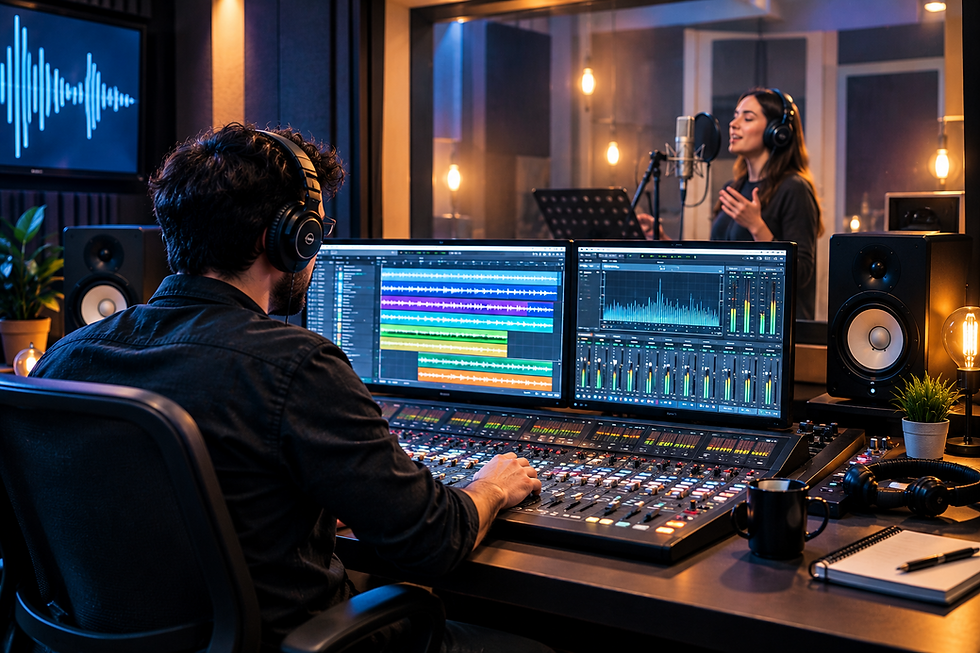
Once filming concludes, the project moves into post-production—a phase that often takes longer than principal photography itself.
This stage transforms raw footage into a cohesive and polished final product through:
Editing
Colour correction and grading
Sound design and mixing
Visual effects
Motion graphics
Music integration
Quality control reviews
Editors play a particularly influential role during this phase. They determine pacing, emotional impact, and narrative clarity. A single editing decision can completely alter how a scene feels to an audience.
Modern post-production workflows in the USA increasingly leverage cloud collaboration, allowing editors, sound designers, and producers to work together efficiently across multiple locations.
7. Visual Effects and Finishing Touches
Visual effects are no longer reserved exclusively for science fiction blockbusters. Today's productions frequently incorporate digital enhancements to improve realism, remove distractions, or achieve creative objectives.
Common finishing techniques include:
Background replacements
Digital clean-up
Compositing
Title and credit design
Scene enhancements
Image stabilisation
Interestingly, many visual effects are designed to go unnoticed. The best VFX work often disappears into the storytelling, quietly supporting the narrative without drawing attention to itself.
8. Test Screenings and Final Revisions
Before release, many productions undergo internal reviews or test screenings.
These sessions provide valuable feedback regarding:
Story clarity
Pacing issues
Audience engagement
Emotional responses
Technical concerns
Studios have been known to make surprisingly significant changes following test screenings. Alternate endings, shortened runtimes, and revised edits are more common than many viewers realise.
While independent productions may use smaller focus groups, the underlying objective remains the same: ensure the film resonates with its intended audience.
9. Distribution: Getting the Film to Its Audience
Completing a film is only part of the journey. Distribution determines how—and where—people ultimately experience the finished work.
Distribution strategies in the USA continue to evolve, with productions now considering multiple release channels:
Theatrical releases
Streaming platforms
Film festivals
Television networks
Corporate screenings
Educational licensing
Distribution decisions can significantly impact revenue potential and audience reach. Some films are developed specifically for streaming, while others prioritise theatrical experiences or festival recognition.
Understanding distribution requirements early in the production process often leads to better strategic decisions later.
10. Marketing and Promotion
Even exceptional films require visibility.
Marketing efforts frequently begin months before release and may include:
Trailers and teasers
Press campaigns
Social media promotion
Festival appearances
Media interviews
Digital advertising
In many cases, marketing budgets rival or exceed production budgets. The entertainment industry understands a simple truth: audiences cannot appreciate a film they never discover.
Successful marketing campaigns focus on building anticipation and creating memorable moments that encourage conversations long before release day.
Why Process Matters More Than Ever
Modern audiences have access to more content than at any point in history. That abundance has raised expectations.
Today's productions must deliver compelling stories while maintaining technical excellence, efficient workflows, and strategic distribution plans.
Understanding the complete production process helps filmmakers and businesses appreciate the amount of expertise required to move a project successfully from concept to completion.
For organisations exploring creative partnerships, additional insights can be found in this guide to film production company services in the USA.
The strongest productions are rarely the result of luck. They're the result of preparation, collaboration, and thousands of carefully considered decisions made over time.
Final Thought
Whether you're developing a branded project, documentary, commercial campaign, or feature-length production, understanding the filmmaking process is the first step toward a successful outcome.
If you're ready to discuss your next project with an experienced creative team, contact Dela Entertainment to explore how thoughtful planning, experienced execution, and professional storytelling can help transform your vision into reality.
FAQ - Film Production Company
1. What are the main stages of the film production process?
The primary stages include development, financing, pre-production, casting, principal photography, post-production, distribution, and marketing.
2. How long does film production typically take in the USA?
Depending on the project's complexity, the complete process can take anywhere from several months to several years.
3. What is the most important phase of film production?
Every phase is important, but many professionals consider pre-production the most critical because it establishes the project's schedule, budget, and creative direction.
4. Who oversees the entire production process?
Producers typically oversee the project from development through distribution, working closely with directors and department heads throughout production.
5. Is post-production longer than filming?
Yes. In many cases, editing, sound design, visual effects, and finishing work take considerably longer than principal photography.


Comments