

What Makes Modern Sound Production Company USA Stand Out in 2026
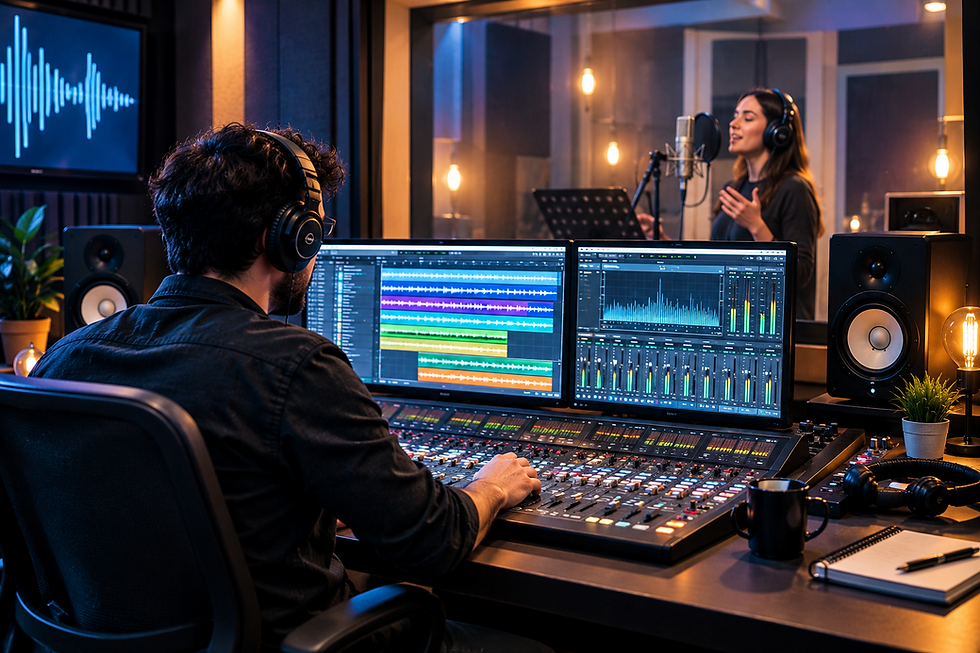
The sound production industry continues to evolve as creative projects demand clearer audio, distinctive sound identities, and more flexible production workflows. In 2026, a modern Sound Production Company USA stands out through its combination of technical expertise, creative thinking, advanced audio tools, and a strong understanding of client objectives. From original music and sound design to recording, mixing, and audio finishing, professional teams help transform creative ideas into polished results.
Sound plays an important role in how audiences experience films, music, entertainment projects, advertisements, and branded content. Clear dialogue, balanced music, carefully designed sound effects, and consistent audio quality can strengthen the emotional impact of a project. Achieving these results requires more than sophisticated equipment; it also depends on experienced professionals who understand how sound supports a story, message, or artistic direction.
Modern clients also expect a more organized production experience. They want clear communication, dependable schedules, transparent service options, and audio deliverables that meet their intended technical requirements. A professional company must balance these practical expectations with the creative decisions that make each project distinctive.
Advanced Audio Technology With a Creative Purpose
Modern sound production companies use digital audio workstations, high-quality microphones, monitoring systems, recording equipment, and specialized software to capture and refine sound. These tools provide greater flexibility during recording, editing, mixing, and mastering, allowing professionals to make detailed adjustments while maintaining control over the final result.
However, technology alone does not guarantee excellent audio. The value comes from knowing which tools to use, how to configure them, and when a particular technique will improve the project. A skilled sound engineer understands how recording environments, microphone placement, room acoustics, and signal processing influence the final sound.
Depending on the project, modern audio workflows may include:
High-resolution digital recording and editing
Advanced noise reduction and audio restoration
Detailed equalization and dynamic control
Digital sound design and audio layering
Collaborative review and revision tools
Final audio preparation for specific delivery formats
The strongest companies combine these capabilities with creative judgment. Instead of applying the same processing to every project, they develop an approach based on the desired mood, intended audience, and technical requirements. This balance between equipment and expertise is a major factor in delivering professional results.
Sound Production Company USA Services Built Around Client Needs
One important quality of a leading Sound Production Company USA is the ability to adapt its services to different creative goals. An independent musician may need vocal recording and mixing, while a filmmaker may require dialogue cleanup, atmospheric sound design, and music integration. A business might need original audio branding or a professionally recorded narration.
A flexible service offering allows clients to select the support they need without paying for unrelated production stages. Before work begins, the company should understand the project scope, intended use, creative references, timeline, and expected deliverables.
Recording, Editing, and Audio Restoration
Recording establishes the foundation of the final sound. Professional microphones, suitable recording spaces, and careful session management help capture clean and expressive performances. Editing then organizes the material, removes unwanted distractions where possible, and prepares recordings for further refinement.
Audio restoration can also help address issues such as background noise, clicks, hum, or inconsistent levels. The extent of improvement depends on the original recording, so the production team should assess the material before promising specific results.
Mixing, Mastering, and Sound Design
Mixing brings individual audio elements together into a coherent result. Engineers balance levels, shape tonal qualities, control dynamics, and create space between dialogue, music, and effects. Mastering provides the final technical and sonic preparation required for the intended release or delivery format.
Sound design adds another creative dimension by shaping the atmosphere and character of a project. Carefully selected effects, textures, transitions, and ambient details can support storytelling and help establish a recognizable audio identity.
When comparing providers, confirm which services are included, how many revision rounds are available, and what final files will be supplied. You can explore Sound Production Company to learn more about professional support for creative projects.
Personalized Sound Design and Stronger Creative Direction
In 2026, distinctive creative identity remains an important way for sound production companies to differentiate their work. Clients increasingly need audio that supports a particular story, musical style, brand personality, or emotional response rather than a generic sound that could fit any project.
Personalized sound design begins with listening carefully to the client. Production teams may discuss reference tracks, audience expectations, visual context, musical influences, and the emotions the finished project should communicate. These conversations establish a creative direction that guides recording, editing, sound selection, and mixing.
This collaborative approach helps protect the original vision while allowing experienced professionals to recommend improvements. The result is more likely to feel purposeful, cohesive, and appropriate for its intended use.
AI-Assisted Audio Workflows and Human Expertise
Artificial intelligence is influencing selected areas of audio production, particularly tasks involving transcription, noise analysis, dialogue organization, and repetitive editing. Depending on the software, AI-assisted features may help identify unwanted sounds, speed up parts of a workflow, or make certain technical adjustments more efficient.
These tools can be useful when projects contain large amounts of recorded material or require detailed cleanup. They may help professionals spend less time on repetitive tasks and more time refining creative elements. Nevertheless, automated processing can introduce artifacts, remove important details, or produce unnatural results when used without careful review.
Responsible use of AI requires attention to several factors:
Quality control: Listen carefully to processed audio and compare it with the original.
Creative judgment: Use automation to support decisions rather than dictate the final sound.
Privacy: Check how uploaded recordings and confidential materials are handled.
Permissions: Confirm the rights and terms that apply to source audio and generated material.
Client expectations: Explain relevant tools and limitations when they affect the agreed work.
A modern sound production company stands out by using technology selectively. Experienced engineers remain essential for understanding context, protecting natural performances, making artistic choices, and ensuring the final audio meets the project's requirements.
Remote Collaboration and Efficient Project Management
Sound production no longer always requires every contributor to work in the same physical location. Digital file sharing, remote review sessions, and collaborative production tools can help artists, producers, clients, and engineers coordinate their work across different locations.
Successful remote collaboration still requires a clear system. Teams should establish file naming conventions, version control, feedback deadlines, approval responsibilities, and secure methods for sharing confidential materials. They should also agree on technical details such as sample rate, bit depth, channel configuration, and final delivery formats when relevant.
Effective project management helps clients understand what happens next, when they can expect updates, and what is required from them. A defined process reduces misunderstandings and makes revisions easier to manage, especially when several stakeholders are involved.
Transparent Pricing, Reliability, and Professional Standards
High-quality sound production is not defined by audio equipment alone. Reliability, communication, realistic scheduling, and transparent pricing are also important when selecting a production partner. Clients should understand the scope of the service before committing their time and budget.
Production costs depend on the complexity of the work, session duration, equipment or facility requirements, number of audio elements, editing needs, and revision expectations. A short recording session may require a different investment from a project involving extensive restoration, custom sound design, multiple recording sessions, and detailed mixing.
A reliable provider explains limitations early and communicates when project requirements change. Clear agreements help protect both the client and production team, while realistic timelines provide enough room for creative review and technical quality checks.
How to Choose the Right Sound Production Company in 2026
Choosing a sound production company starts with identifying what your project actually requires. Consider whether you need recording, music production, sound design, dialogue editing, mixing, mastering, or a combination of services. A clear brief helps potential providers recommend an appropriate workflow and prepare a more accurate proposal.
Review each company's portfolio and listen for qualities that matter to your project, including clarity, balance, creative character, and consistency. Ask about similar projects they have handled and how they approach feedback, revisions, technical specifications, and final delivery.
For additional information, read the sound production company USA. Comparing providers carefully helps you select a partner based on practical needs, creative fit, and professional standards rather than promises alone.
Work With a Sound Production Team That Understands Your Vision
A modern Sound Production Company USA stands out by combining technical knowledge, creative direction, adaptable workflows, and dependable client service. From advanced audio tools and personalized sound design to organized collaboration and transparent project planning, these qualities help ensure that every production decision supports the intended result.
Before choosing a provider, define your goals, review relevant work, and discuss the services, budget, timeline, and delivery requirements. The right production partnership can help you create clear, engaging, and professionally finished audio while keeping the process organized from the first conversation to the final delivery.
Explore Dela Entertainment to learn more about its creative services and production support for entertainment projects.
Final Thought
Ready to discuss your audio project? Contact Us to share your creative goals, project requirements, budget, and timeline. Discussing your needs early can help identify suitable services, establish clear expectations, and plan the next steps toward achieving a professional sound that matches your vision.
FAQs - Sound Production Company USA
What does a Sound Production Company do?
A sound production company may provide recording, editing, restoration, sound design, mixing, mastering, and other audio services based on the project's needs.
What makes a sound production company stand out in 2026?
Creative expertise, modern audio workflows, clear communication, flexible services, reliable delivery, and responsible use of technology can distinguish a strong provider.
Can sound production companies work remotely?
Yes. Many audio tasks can be coordinated remotely through secure file sharing, digital review tools, and agreed production workflows.
How much do sound production services cost?
Costs vary according to project complexity, recording needs, editing time, mixing requirements, revisions, and final deliverables.
How do I choose the right sound production company?
Compare relevant experience, portfolio quality, service scope, communication, pricing, revision policies, and delivery standards.


Comments